
Where Starlight Cameras Work
Robotics
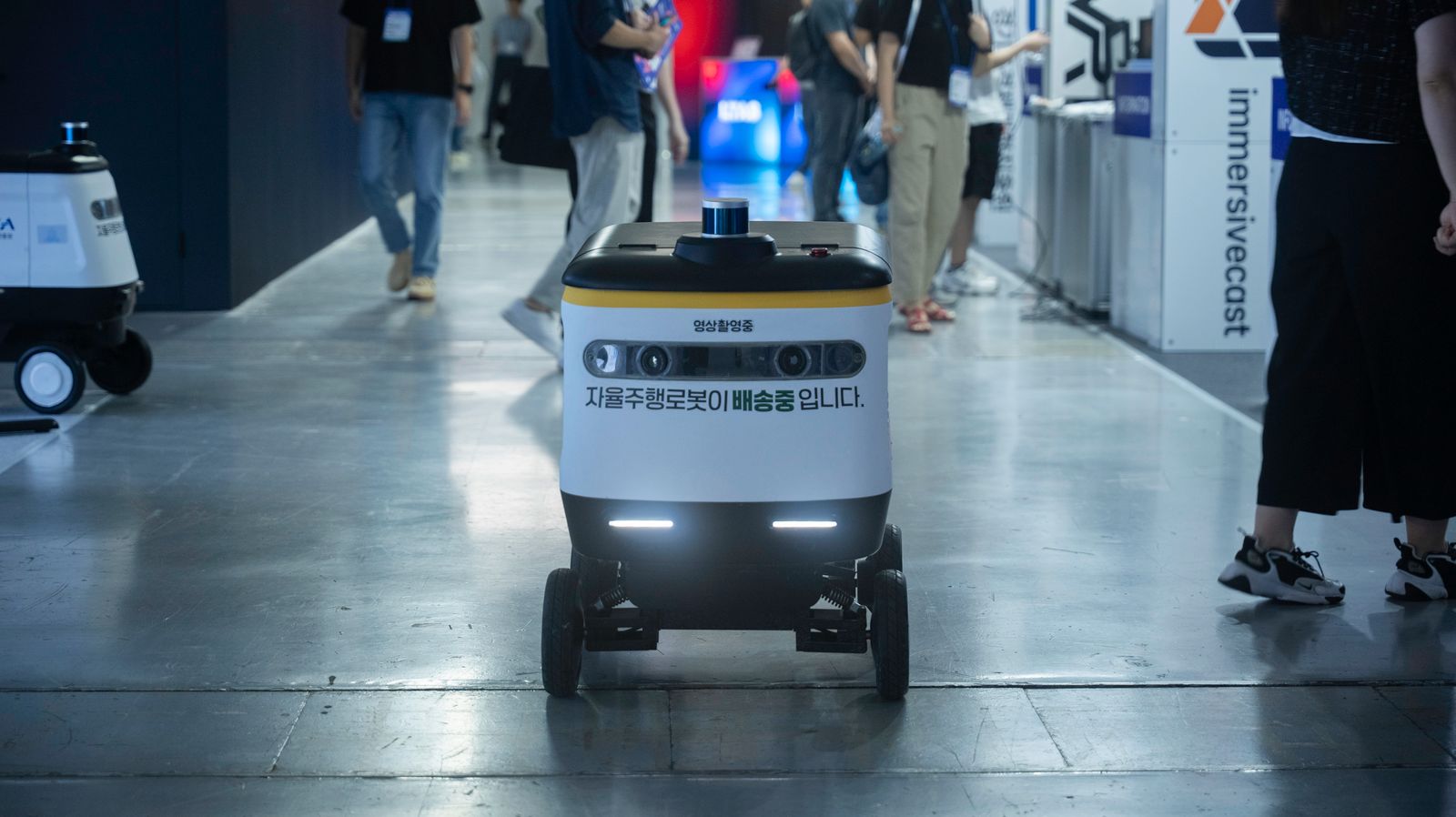
The problem: A mobile robot that cannot see in the dark cannot work through the night, and adding lights or infrared is not always possible on a moving machine. The fix: The USB camera connects to robot controllers and the MIPI/DVP module fits embedded vision boards, both seeing in colour down to 0.001 lx without an IR illuminator.
Smart & AR Devices
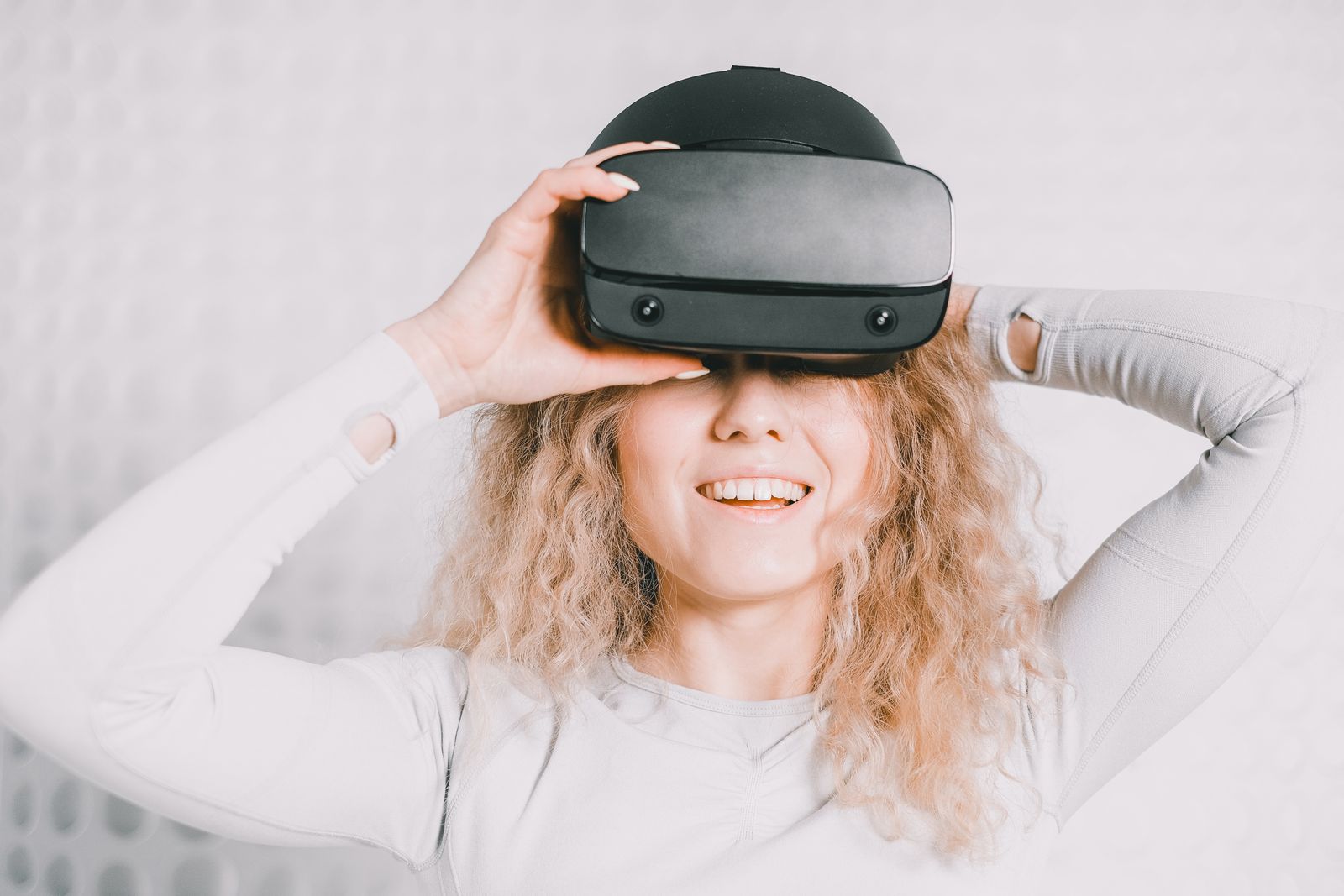
The problem: Smart and AR devices need to keep sensing in near darkness, but there is little room inside a compact device for a large camera or extra lighting. The fix: The tiny, lightweight modules — under 28 g — integrate into compact devices and deliver full-colour images in near darkness for always-on sensing and augmented reality.

Farm & Perimeter Security
The problem: Farms and perimeters still need watching at night, but infrared light can disturb animals and reveal camera positions, and a poor night picture is little use when something happens. The fix: These modules watch farms and perimeters in full colour at night without IR light, and the wide 4 mm lens option covers large areas.
Marine
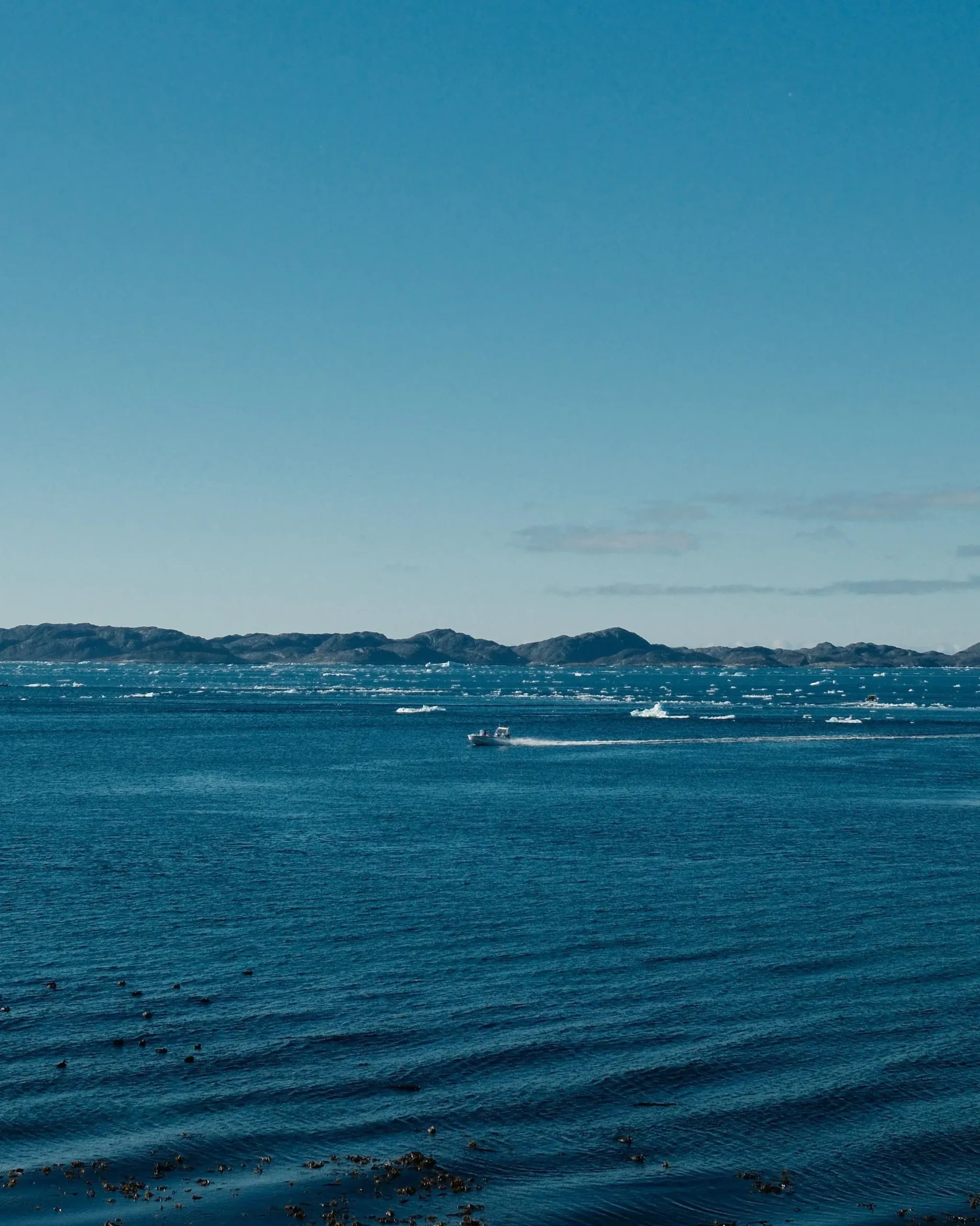
The problem: On the water at night, navigation and monitoring are hard when the camera picture turns black and white or disappears in the dark. The fix: Starlight cameras give boats and marine systems full-colour night vision for navigation and monitoring, in a compact module that is easy to fit into marine equipment.

Vehicle Night Vision
The problem: Drivers and driver-assistance systems still need to recognise people, vehicles and animals in the dark, when ordinary cameras lose colour and detail. The fix: The starlight modules see in colour down to 0.001 lx, helping drivers and driver-assistance systems recognise people, vehicles and animals in the dark.
Industrial Machine Vision
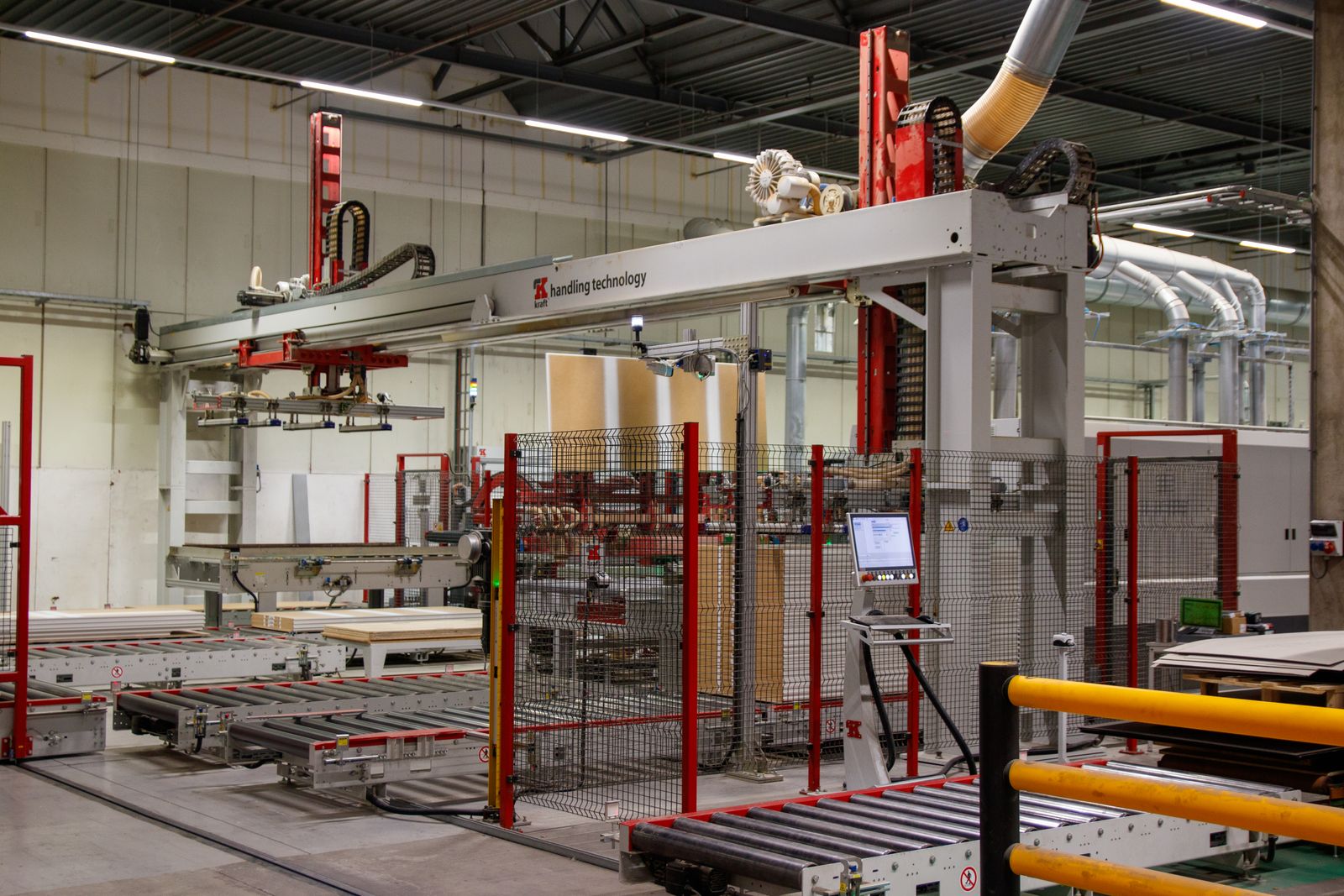
The problem: Machine vision that stops working in low light stops the work — inspection and automation need a clear picture even when the light is poor. The fix: The MIPI/DVP module's low-latency outputs and fast boot suit inspection and automation, while the USB module suits PC-based vision systems, bringing low-light colour imaging to machine vision.
Solar-Powered Remote Monitoring
Solar-Powered Remote Monitoring
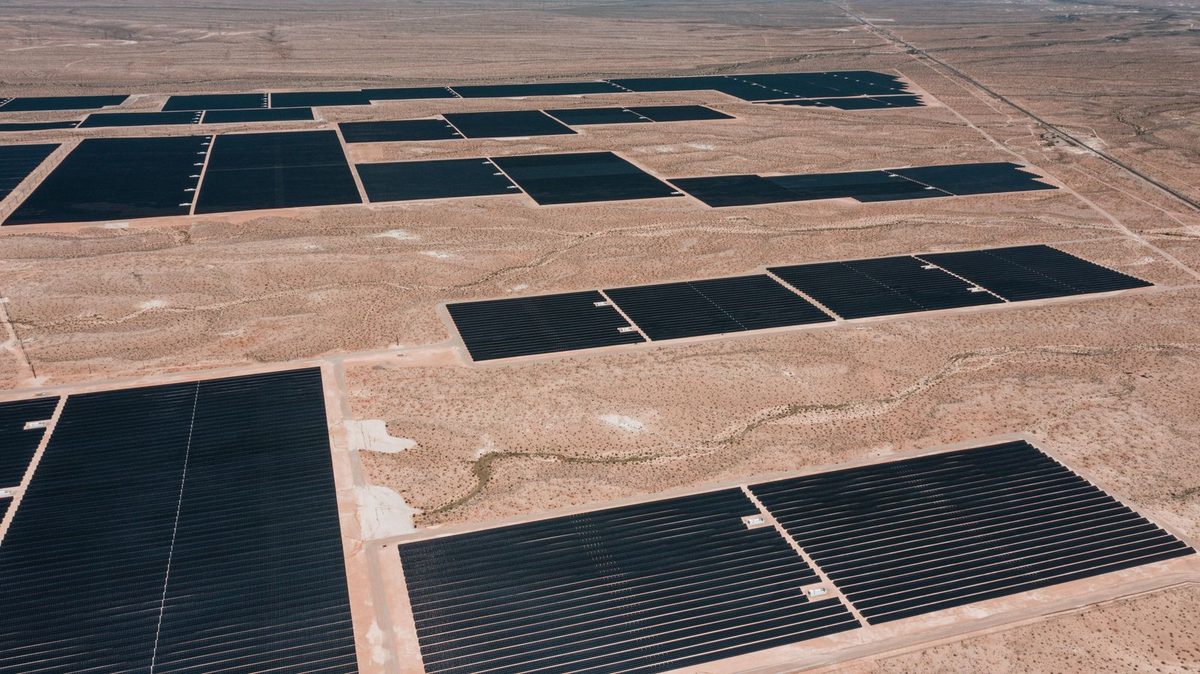
The problem: Off-grid sites — farms, well pads, pipeline routes, rural depots — have no mains power and no lighting. Ordinary night cameras make it worse: their infrared illuminators draw power all night and glow visibly in the dark. The fix: The bullet cameras run on 12 V and draw under 2 W in normal use on most models, and they need no IR illuminator at all — so a modest solar panel and battery keep them watching around the clock, in full colour. RJ45, WiFi and 4G options connect sites with no cabling. Where a PTZ camera is needed, plan the power for the complete unit: up to 25 W with the Dome housing, or under 33 W in normal use with the Pedestal housing.
Frequently Asked Questions
Can the cameras work where there is no power supply?
Yes. The bullet cameras run on 12 V and most draw under 2 W in normal use, so a solar panel and battery can run them around the clock at off-grid sites. The USB module draws 0.92 W at 25 fps and the MIPI module 1.2 W at 25 fps, powered by the host device. PTZ cameras need more — up to 25 W for a complete Dome unit, or under 33 W in normal use for a Pedestal unit — so they suit a larger solar setup or mains power.
Do they need infrared lights at night?
No. These are pure-starlight cameras: they keep full colour at night down to 0.001 lx — and the most sensitive bullet model reaches 0.0006 lx in colour — with no infrared illuminator and no white light. There is no IR glow to give the camera away, and no illuminator drawing power all night. For underwater use, the subsea cameras carry built-in dimmable white LEDs, so they can still image at 0 lx ambient with the lights on.
How far can they see at night?
The same distances as by day. Among the bullet cameras, detection runs from 540 m on the wide-angle NHC6016C to 10,000 m on the telephoto NHC4240C-ABF. The PTZ series detect up to 7.73 km. The USB and MIPI modules detect up to 1,320 m with the 8 mm lens fitted.
Can they work underwater, and how deep?
Yes. The subsea cameras are rated to 500 m depth in titanium-alloy housings (rated at a safety factor of 1.5). The Monocular WP500Mo gives an 85° view; the Binocular WP500Bi gives a 170° stereo view. Both keep full colour at 0.001 lx and stream over ONVIF/RTSP.